
12:51 AMMonday, October 12, 2026
To showcase and celebrate artisanal craftsmanship
D.C.
LDN
Lagos
Riyadh
Beijing
SG
2026-01-21
Written by Marcus Thompson




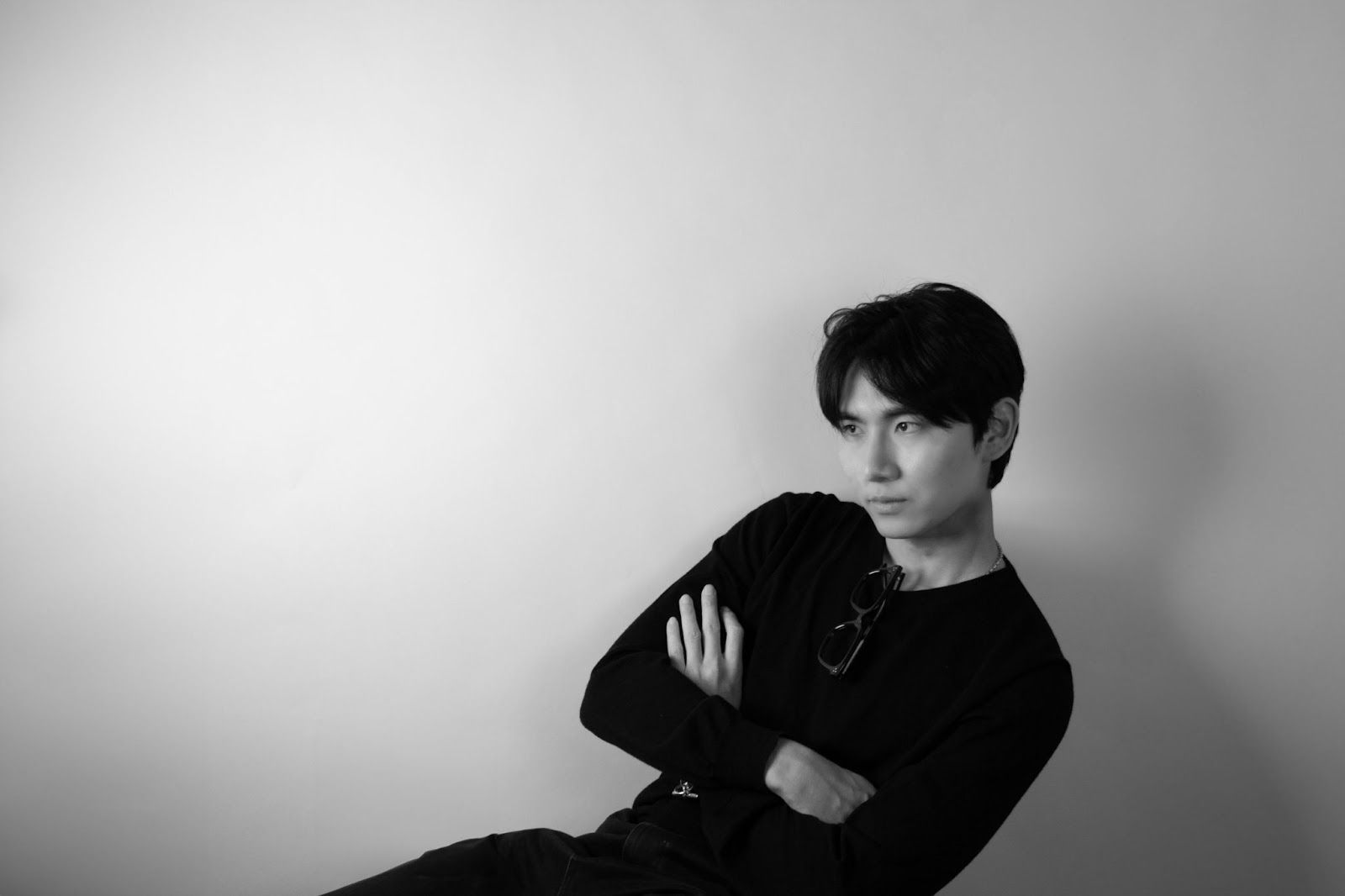
For Daeyun Kim, creativity has never been a matter of control. It happens in motion — in the moments when things collide, shift, or go wrong. From Seoul’s fashion markets to New York’s agency culture, Kim has learned that new ideas often come not from planning, but from the chaos that follows curiosity.
“Creativity doesn’t live in one place,” he says. “It happens when things move.”
Kim’s creative philosophy was never built in a studio. It began on the streets of Seoul, where he opened a boutique after leaving high school. The fashion scene taught him how people react to texture, rhythm, and instinct — but more importantly, it taught him that disruption is a teacher. “When everything moves too fast to control, you start to see patterns in the chaos,” he recalls. Those early lessons would evolve as Kim moved through fine art, design, and advertising — disciplines that forced him to navigate between precision and unpredictability.
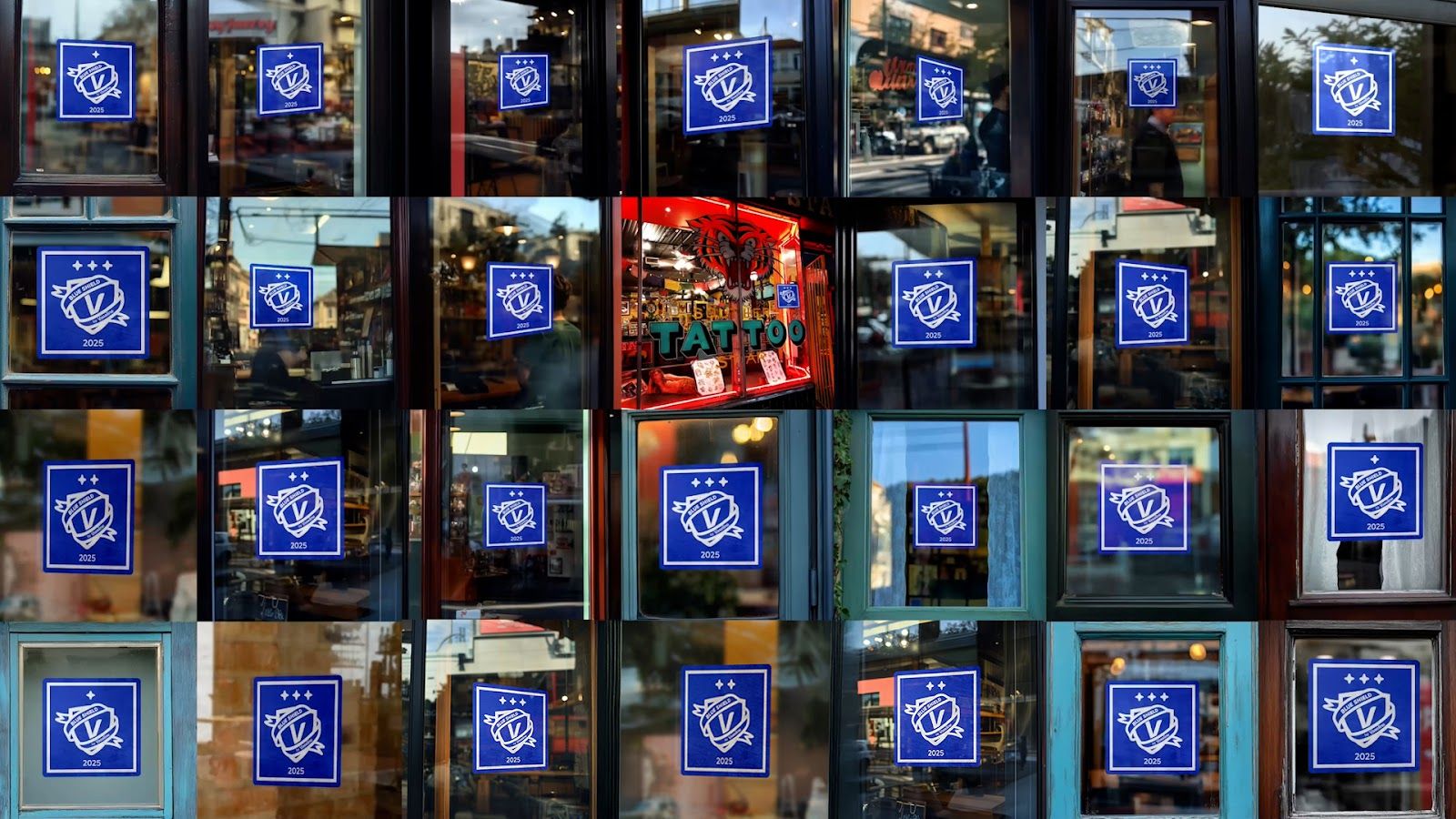
Over the years, Kim has come to see randomness as a medium in itself. In his hands, chance isn’t a flaw but a framework. His award-winning campaigns — Starbucks – Unseen Stars, Vaseline – Blue Shield, Heinz – Super Bowl Leftover Recipe, and Google Cloud – Cloud LookBook — are all built around unexpected contrasts: analog and digital, humor and emotion, order and imperfection.
In 2025, those ideas earned him recognition across the Big Five international advertising festivals — Clio, D&AD, One Show, New York Festival, and the ANDY Awards. But Kim insists that awards are secondary. “The chaos of making something new is what matters,” he says. “That’s where the real work happens.”
At Wieden+Kennedy, Kim worked as a junior art director, but his ideas often led entire projects and even helped bring in new clients. He attributes that to his comfort with uncertainty. “In that environment, nothing stays stable — and that’s good,” he says. “The best ideas come when you let the system break a little.” To him, leadership isn’t about direction, but energy — the ability to stay open while everything around you shifts.
Today, based in New York, Kim continues to explore how randomness, movement, and technology can coexist as creative tools. He experiments with AI-driven design methods that leave room for accident and imperfection, treating algorithms not as replacements for intuition but as collaborators in chaos.
“Technology can generate infinite options,” he says. “But meaning still comes from how you respond to the unpredictable.”
For Kim, randomness isn’t the opposite of design — it’s the condition that makes design alive.
Daeyun Kim stands as part of a generation of nomadic thinkers who no longer seek control over creativity but conversation with it. Every field he’s touched — fashion, art, design, advertising, technology — has been another collision, another experiment in what happens when nothing goes as planned.
His work reminds us that innovation doesn’t always arrive with certainty. Sometimes, it appears by accident — in the gaps between order and chaos, where creativity finally learns to breathe.


